
What to Look for Before Choosing a Contract Manufacturing Partner in India
What to Look for Before Choosing a Contract Manufacturing Partner in India
Finding the right contract manufacturing partner is an important decision for any product-based business. Whether you are a startup developing your first product, an established brand expanding its catalogue or a wholesaler looking for a reliable supplier, the right partner can significantly influence your product quality, costs and business growth. India offers diverse manufacturing capabilities across materials and industries. Indian manufacturers and skilled workers are known for their resourcefulness, hard work and ability to find practical solutions to challenging production requirements. However, choosing a manufacturer should involve more than comparing quotations. You need a partner who understands your requirements, maintains quality and can support your business as it grows. Here are seven important factors to consider before selecting a contract manufacturing partner.
1. Manufacturing Capabilities and Infrastructure
Understand what the manufacturer can actually produce and whether they have the necessary machinery, skills and production capacity. Before finalising a partner, check:
- What materials do they work with?
- Which manufacturing processes are available in-house?
- Can they handle cutting, machining, assembly and finishing?
- Can they manage your expected order quantities?
- Can they manufacture different product variations?
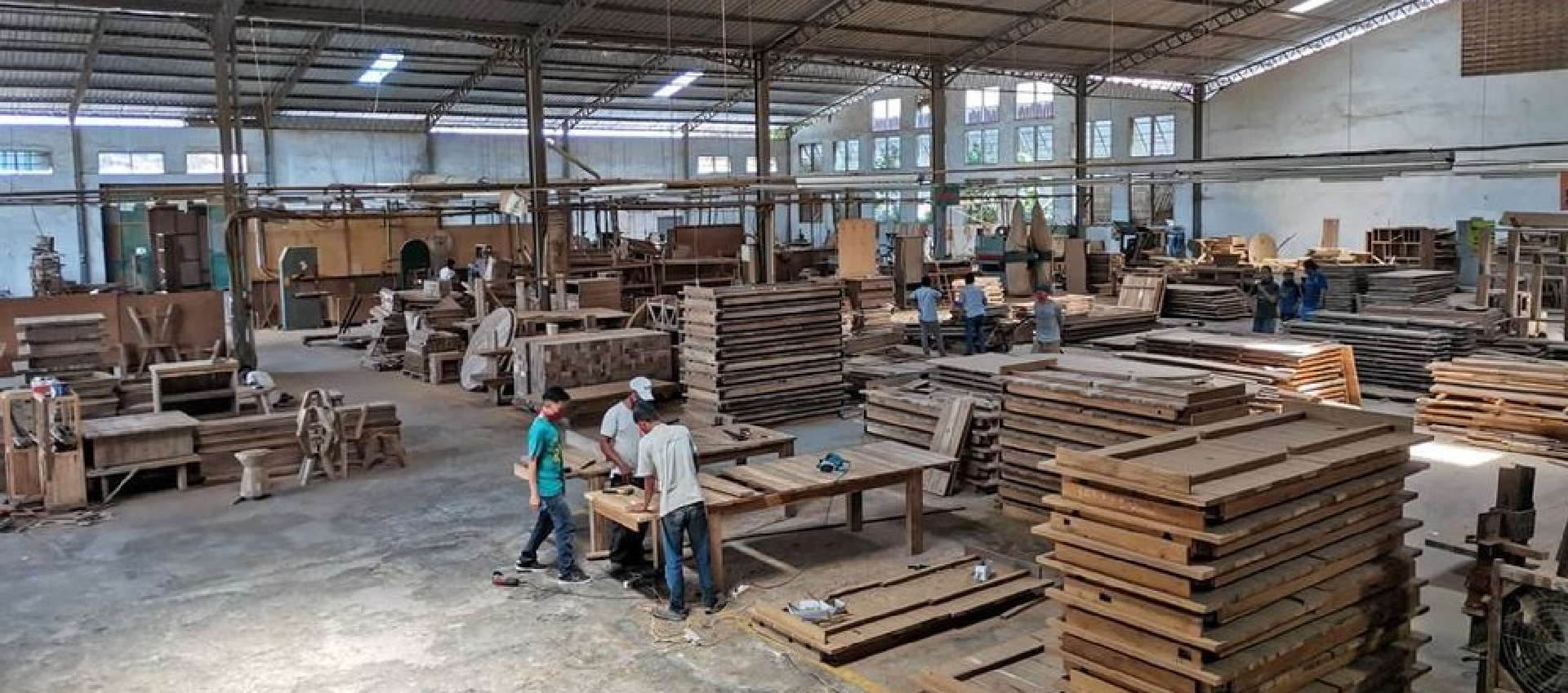
For wooden and bamboo products, relevant capabilities include woodworking machinery, CNC routing, laser cutting and engraving, turning, sanding, assembly and surface finishing. Having multiple processes under one roof can simplify coordination and reduce dependence on multiple vendors.
2. Design and Product Development Support
Not every business approaches a manufacturer with a production-ready design. You may have only an idea, rough sketch, reference photograph or sample. Look for a partner who can support:
- Product ideation and design inputs
- 2D and 3D drawings
- Material selection
- Prototyping and sample development
- Design modifications and manufacturing feasibility
This is particularly useful for startups and businesses introducing new products. A manufacturer with product development capabilities can help turn an initial concept into a product ready for production.
3. Quality Control and Consistency
A good sample does not automatically guarantee a good bulk order. Differences in dimensions, finishing, colour and assembly can affect the final product experience. Before choosing a manufacturer, understand:
- How are raw materials inspected?
- Are product dimensions checked during production?
- How is finishing quality monitored?
- Is a sample approved before bulk manufacturing?
- How are defective products handled?
Understand the nature of natural materials. Every piece of wood is unique. Even wood from the same species can have different shades, grain patterns and textures. Knots and other natural features are not necessarily defects; they are part of the wood's character. It is therefore unrealistic to expect every piece in a bulk order to look exactly identical. We believe this natural variation is one of the most beautiful aspects of working with wood. Discuss dimensions, tolerances and finishes upfront. Even in highly mechanised woodworking, several operations such as sanding, assembly and finishing involve manual work. Before production, agree on:
- Product dimensions and acceptable tolerances
- Colour shades and acceptable variations
- Surface finish and texture
- Acceptable natural features such as knots and grain variations
- Functional and assembly requirements
Approve a final sample and document these specifications so that you and your manufacturer have the same expectations.
4. Communication, Trust and Project Management
A successful manufacturing relationship depends on more than machinery and technical expertise. Communication and trust are equally important. India has a large pool of hardworking, skilled and resourceful manufacturing professionals. Many Indian manufacturers are willing to go the extra mile, adapt to changing requirements and find solutions when production challenges arise. However, a good working relationship requires effort from both sides. As a buyer:
- Clearly communicate your product requirements and expectations.
- Share drawings, references and specifications wherever possible.
- Respond promptly to questions and sample approvals.
- Discuss changes before they affect production.
- Maintain regular communication instead of waiting until the delivery date to ask for updates.
Your manufacturing partner should provide honest updates about progress, challenges, costs and timelines. Do not hesitate to ask questions, but also give your manufacturer the opportunity to explain production challenges. A relationship built on transparency and mutual respect is more likely to succeed in the long run.
5. Flexibility in Order Quantities and Customisation
Your requirements may change as your business grows. You might initially need a small batch for market testing and later require larger quantities. Discuss the following before committing:
- Minimum order quantities and trial batches
- Custom designs and dimensions
- Branding, engraving and printing
- Packaging requirements
- Possibility of increasing production volumes
A flexible manufacturing partner can help you move from product testing to regular bulk production.
6. Material Knowledge, Sustainability and Realistic Timelines
India has several varieties of wood available across different regions. Each has different characteristics in terms of strength, weight, grain, colour, workability and cost. Discuss your product's functionality and aesthetics with the manufacturer. Rather than choosing wood based only on appearance or price, seek recommendations based on the intended application, durability, finish and budget. Ask your manufacturer:
- Which wood varieties are suitable for my product?
- Where are the materials sourced from?
- How do their properties and costs differ?
- Can alternative materials be suggested?
- How are material wastage and defects managed?
For example, the wood suitable for a decorative product may not be ideal for something that needs to withstand frequent handling or heavy use. Understand the challenges of working with natural materials. Manufacturing with wood and bamboo is often more unpredictable than working with standardised materials such as plastic or metal. Natural materials come with variations in moisture, density, grain, texture and strength. A piece may crack, warp, split or behave differently during machining or finishing. Sometimes material that appears suitable initially may need to be rejected during production. These challenges can result in additional material wastage, rework, time and costs. Even experienced manufacturers cannot predict every such issue in advance. Therefore, when working with natural materials:
- Allow some buffer in production timelines.
- Avoid planning your launch around the exact last day of the promised delivery date.
- Discuss possible material-related challenges beforehand.
- Understand that genuine production delays may sometimes occur despite careful planning.
This does not mean manufacturers should avoid taking responsibility for commitments. They should communicate delays honestly and keep you informed. Similarly, buyers should allow reasonable flexibility and avoid interpreting every natural-material production challenge as a lack of effort or commitment.
7. Transparency, Confidentiality and Commercial Terms
A manufacturing relationship should be built on clarity and trust. Before placing an order, discuss:
- Product costing and quotation validity
- Payment terms and advance requirements
- Sample approval and delivery timelines
- Packaging and transportation responsibilities
- Ownership of designs and drawings
- Confidentiality and non-disclosure agreements
- Responsibilities in case of quality issues or delays
If you are sharing proprietary designs, ensure ownership, confidentiality and permitted use are documented in writing.
Conclusion
Choosing a manufacturing partner is not just about finding someone who can make your product. It is about finding a team that understands your requirements, contributes to product development and builds a relationship based on quality, transparency and trust. India offers a strong manufacturing ecosystem with skilled, hardworking and adaptable professionals. With clear communication, realistic expectations and mutual respect, businesses can build long-term manufacturing partnerships that support sustainable growth.
-
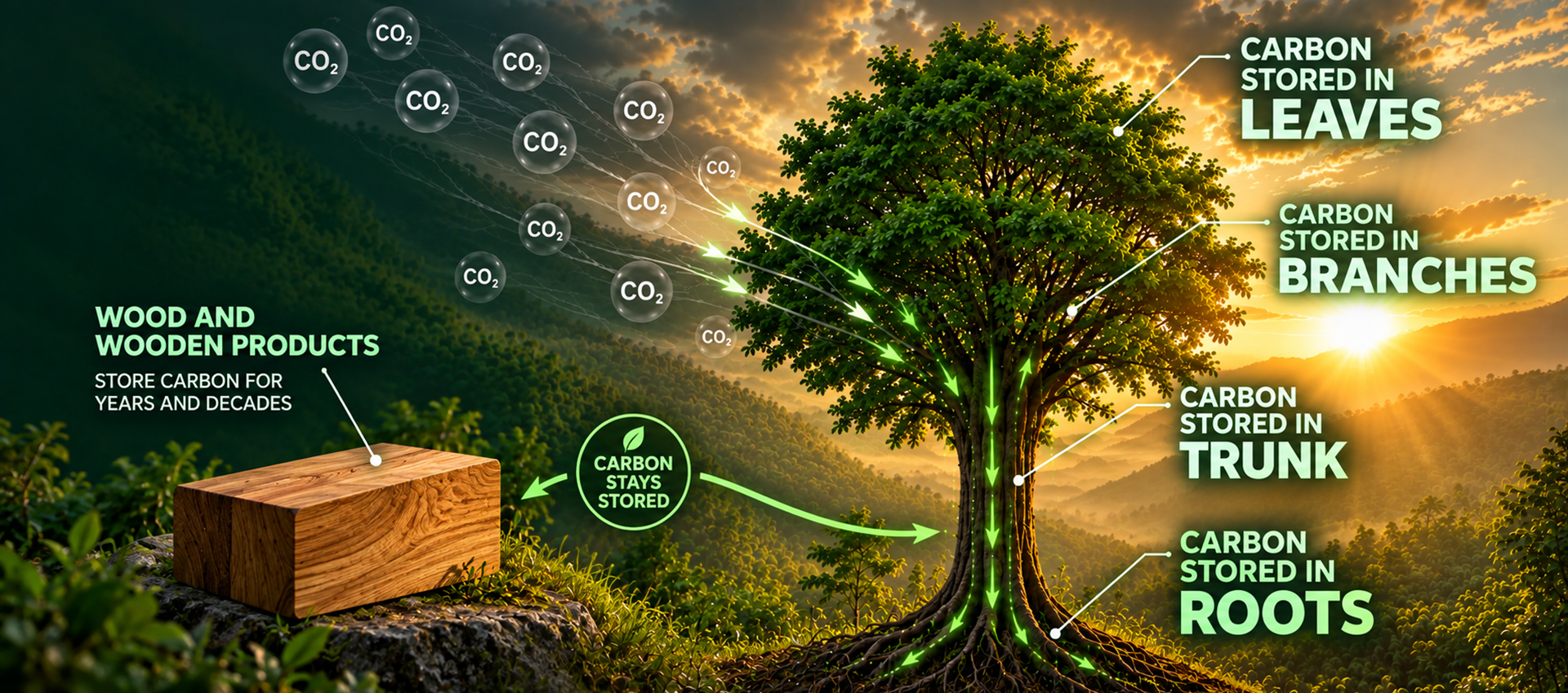
How Do Trees Store Carbon? The Connection Between Trees, Wood and Climate Change
September 13th, 2026 -
 August 9th, 2026
-
 June 29th, 2026