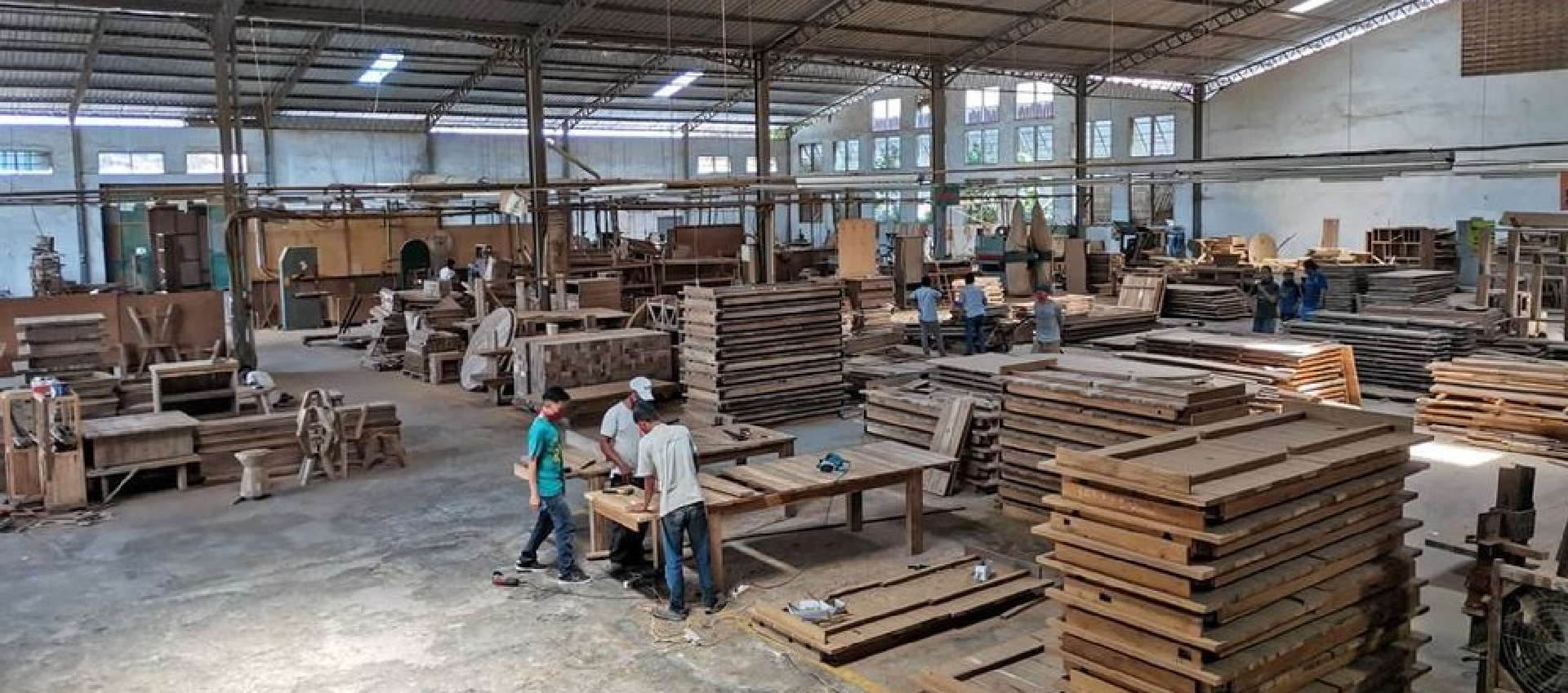

How to Reduce the Environmental Footprint of Your Corporate Office: Practical Everyday Actions
How to Reduce the Environmental Footprint of Your Corporate Office: Practical Actions That Make a Difference
When we think about environmental pollution, factories, vehicles and large industries are often the first things that come to mind. Corporate offices, on the other hand, may seem relatively harmless. But consider the everyday activities that take place in an office: electricity consumption, air conditioning, food deliveries, paper usage, packaging waste, employee commuting and regular purchases of office supplies. Multiply these activities by the number of employees and working days in a year, and the environmental footprint becomes substantial. The good news is that making an office more sustainable does not always require expensive infrastructure or major policy changes. Many improvements begin with simple everyday habits. Others require some planning and investment, while a few call for a long-term commitment from management. Here are some practical ways to reduce your corporate office's environmental footprint, grouped according to the effort and planning involved.
1. Start Today: Small Actions, Big Collective Impact
These are simple changes that require little to no investment. They are primarily about creating awareness and making more conscious everyday choices. Save electricity
- Switch off lights, fans, monitors and other electrical equipment when not in use.
- Enable sleep mode on computers during breaks.
- Switch off projectors and meeting room equipment after meetings.
- Make it a habit to switch off appliances before leaving the office.
- Make the most of natural light and ventilation wherever possible.
At Jungle Bound, we make the most of natural light and ventilation in our workspace. This reduces our dependence on artificial lighting and mechanical cooling during the day. Say no to single-use products
- Carry reusable water bottles, coffee mugs and lunch containers.
- Avoid disposable cups, plastic bottles, straws and cutlery.
- Keep reusable serving ware in office pantries and meeting rooms.
- Avoid individually packaged snacks whenever possible.
At Jungle Bound, our team brings lunch in steel tiffin boxes. We use reusable steel glasses and bottles for drinking water, and even our tea is served in steel cups. These small choices eliminate the need for disposable alternatives and become effortless habits over time. Reduce paper consumption
- Use digital documents instead of printing whenever possible.
- Print only when absolutely necessary.
- Use both sides of the paper when printing.
- Reuse one-sided printed sheets for rough work and internal notes.
- Share work schedules, updates and documents digitally.
At Jungle Bound, we avoid printing invoices and other routine documents wherever possible. Work schedules and internal communication are handled digitally, helping us keep paper consumption to a minimum. Segregate waste at source
- Use clearly labelled bins for wet waste, dry recyclables and non-recyclable waste.
- Educate employees about what belongs in each bin.
- Avoid mixing food waste with recyclable materials.
- Ensure segregated waste reaches the appropriate recycling or disposal facility.
Waste segregation is particularly important in manufacturing environments. At Jungle Bound, we segregate sawdust and wood scrap so they can be reused or recycled rather than discarded. You can read more about our approach in our blog, How We Reuse Waste and Scrap Wood . Our regular wet and dry waste is handed over to the municipal waste collection system. Prevent food wastage
- Take only as much food as you can comfortably finish.
- Avoid over-ordering food during office meetings.
- Plan cafeteria quantities based on actual demand.
- Arrange responsible redistribution of safe surplus food wherever possible.
Make meetings more sustainable
- Share agendas and presentations digitally.
- Avoid disposable water bottles and cups.
- Use reusable plates and cutlery for office gatherings.
- Avoid unnecessary printed handouts.
- Choose reusable alternatives for refreshments and event arrangements.
2. Plan and Implement: Changes That Need Coordination
These initiatives may require coordination between employees, administration, procurement and facility management. Some may involve a modest investment, but they can deliver long-term environmental and financial benefits. Optimise air-conditioning usage Air conditioning is a significant source of electricity consumption in many corporate offices. A few operational changes can help reduce this.
- Maintain AC temperatures at a comfortable and energy-conscious level, such as 24–26°C where appropriate.
- Keep doors and windows closed when AC is running.
- Clean filters regularly to maintain efficiency.
- Avoid cooling unoccupied meeting rooms.
- Use natural ventilation whenever weather and indoor air quality permit.
Choose sustainable office supplies Office supplies are purchased regularly, often without much thought about the materials they are made from or what happens to them after use.
- Replace virgin paper with recycled paper wherever suitable.
- Choose wooden or bamboo desk accessories instead of conventional plastic alternatives.
- Use refillable pens instead of disposable ones.
- Prefer reusable stationery and storage products.
- Choose products with minimal or plastic-free packaging.
At Jungle Bound, we prefer paper pens and pencils. When using conventional pens, we opt for refillable alternatives rather than single-use plastic pens. Encourage sustainable commuting Employee transportation can contribute significantly to an organisation's carbon footprint.
- Create employee carpooling groups.
- Encourage the use of public transport.
- Support cycling and walking wherever practical.
- Explore shared office transport or shuttle services.
- Promote work-from-home options where operationally feasible.
At Jungle Bound, several team members who live close to our factory walk to work. Encouraging employees to choose shorter and more sustainable commutes can make a difference. Introduce composting for organic waste Food waste does not necessarily have to end up in a landfill. Organic waste can be converted into valuable compost.
- Set up an in-house composting system or partner with a local composting service.
- Compost food scraps and suitable organic waste from the cafeteria.
- Use the resulting compost for office landscaping or donate it to local gardens.
At Jungle Bound, we send our compostable waste to a composting facility or to our family's organic farm, where it can be put to productive use. Reduce waste from corporate events Corporate celebrations, conferences and employee engagement activities can generate considerable amounts of waste.
- Avoid disposable decorations and single-use serving products.
- Use reusable event signage and decorations.
- Choose reusable, recyclable or responsibly sourced gift packaging.
- Avoid unnecessary promotional merchandise.
- Plan food quantities carefully to minimise event-related food waste.
Even during our own events, we make it a point to avoid single-use plates and cutlery. Make sustainability part of employee engagement A sustainability policy is only effective when employees understand it and actively participate.
- Create a green team or sustainability committee.
- Organise no-plastic days and waste segregation awareness drives.
- Conduct office energy-saving challenges.
- Organise e-waste collection drives.
- Encourage employees to suggest practical sustainability improvements.
At Jungle Bound, we regularly educate our team about our mission as an environmental-impact-driven business. We believe that creating sustainable products is only one part of our responsibility. Our everyday actions and workplace practices must reflect the same values. Support local and responsible suppliers The environmental footprint of an office extends beyond its premises. Every product purchased has an impact associated with its materials, manufacturing and transportation.
- Source office supplies, food, gifts and services from local businesses wherever practical.
- Evaluate suppliers based on their materials, packaging and manufacturing practices.
- Prioritise responsible sourcing and products with a lower environmental impact.
At Jungle Bound, we source our raw materials from suppliers in and around Pune. Local sourcing helps us support regional businesses while reducing the need for long-distance transportation.
3. Long-Term Transformation: Building a Sustainable Workplace
These initiatives require greater management involvement, investment, infrastructure changes or coordination with external partners. However, they can bring about more substantial and lasting improvements. Measure your office's environmental footprint You cannot effectively reduce what you do not measure. Understanding where your environmental impact comes from is the first step towards managing it.
- Conduct a carbon footprint assessment.
- Measure electricity and water consumption.
- Track employee commuting and business travel emissions.
- Monitor waste generation and disposal.
- Assess the environmental impact of purchased products and services.
- Establish measurable annual reduction targets.
At Jungle Bound, we regularly assess our environmental impact. Our electricity currently comes from the conventional grid, which contributes to our operational footprint. However, our work also focuses on replacing conventional plastic products with more sustainable alternatives. We are exploring rooftop solar installation to reduce our dependence on non-renewable energy and further improve our environmental performance. Transition to renewable energy
- Explore rooftop solar installations.
- Investigate renewable electricity procurement options.
- Evaluate opportunities to reduce dependence on conventional grid electricity.
- Assess the long-term financial and environmental benefits of renewable energy investments.
Upgrade to energy-efficient infrastructure
- Replace conventional lighting with energy-efficient LEDs.
- Install occupancy sensors in meeting rooms and common areas.
- Upgrade to energy-efficient air-conditioning systems.
- Improve building insulation.
- Introduce smart energy monitoring and building management systems.
- Regularly audit machinery and equipment to identify unnecessary energy consumption.
At Jungle Bound, we use LED lights and maximise natural lighting wherever possible. We also regularly audit our machines to ensure they operate efficiently and do not consume unnecessary electricity. Implement water conservation systems
- Install rainwater harvesting systems.
- Explore greywater recycling for landscaping and flushing.
- Install low-flow taps and water-efficient fixtures.
- Monitor water consumption and identify leakages.
- Introduce water conservation awareness initiatives for employees.
Adopt a sustainable procurement policy An organisation's purchasing decisions have a direct influence on its environmental footprint. A formal sustainable procurement policy can help ensure that environmental considerations become part of every purchase.
- Prioritise recycled, renewable and responsibly sourced materials.
- Choose durable and repairable products.
- Minimise unnecessary packaging.
- Evaluate suppliers on environmental and social responsibility.
- Consider the entire lifecycle of products before purchasing them.
At Jungle Bound, we work primarily with renewable and biodegradable materials such as wood and bamboo, sourced locally wherever possible. We also believe in giving reclaimed materials a second life rather than relying entirely on newly manufactured resources. Move towards a circular office Instead of following the traditional buy-use-dispose model, organisations can adopt a more circular approach to managing resources.
- Repair furniture and equipment instead of immediately replacing them.
- Refurbish old workstations and office furniture.
- Donate usable furniture and equipment.
- Reuse materials wherever possible.
- Establish responsible channels for electronic waste.
- Choose products that can be repaired, reused or recycled at the end of their useful life.
At Jungle Bound, a significant portion of our furniture has been repurposed from materials sourced through a nearby demolition contractor. What might otherwise have become waste has found a new purpose in our workspace. Rethink corporate gifting Corporate gifts, employee welcome kits, festival hampers and event mementos are often purchased in large quantities. These purchases present an opportunity for organisations to make more responsible choices.
- Choose durable, useful gifts instead of disposable promotional merchandise.
- Explore wooden, bamboo and recycled-material alternatives.
- Avoid unnecessary plastic packaging.
- Choose gifts that support responsible manufacturing and local livelihoods.
- Prioritise quality and usefulness over quantity.
At Jungle Bound, we create eco-friendly gifts and corporate merchandise for our own team as well as other organisations. We believe that corporate gifting can be an opportunity to encourage conscious consumption rather than introduce more disposable products into circulation.
Make Sustainability a Part of Everyday Office Culture
Building a sustainable workplace does not happen through one big environmental initiative. It is the result of hundreds of conscious decisions made every day. An employee switching off a monitor, an administration team choosing recycled paper, a cafeteria preventing food waste and management investing in renewable energy are all contributing to the same goal. The important thing is to start somewhere. Begin with simple changes, involve employees, measure progress and gradually move towards larger, more systemic improvements. A useful principle to follow is the 5 Rs of sustainability: Refuse what you don't need, Reduce what you consume, Reuse what you can, Repair what is broken and Recycle what remains. The most sustainable office is not necessarily the one that buys the most eco-friendly products. It is the one that consumes thoughtfully, generates less waste and takes responsibility for its environmental impact. Sustainability should not be limited to an annual CSR activity or an environmental awareness day. It should become a part of how we work, what we buy and the choices we make every single day.
-
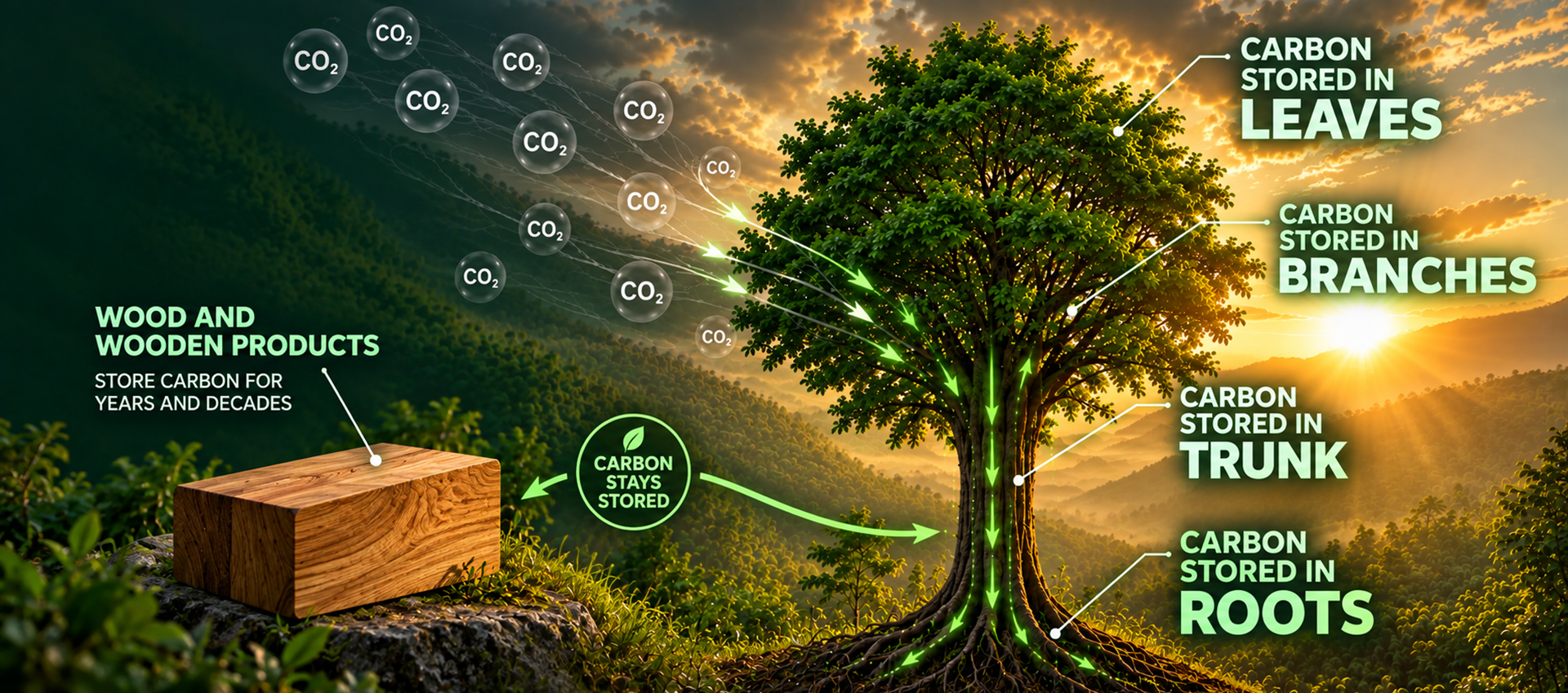
How Do Trees Store Carbon? The Connection Between Trees, Wood and Climate Change
September 13th, 2026 -
 August 9th, 2026
-
 June 29th, 2026
-
 May 4th, 2026