Which Sustainability Businesses Create the Highest Environmental Impact?
As interest in sustainability grows, many entrepreneurs are asking an important question: Which types of businesses actually create meaningful environmental impact—not just green branding?
The answer lies in businesses that address root environmental problems, operate at scale, and influence systems rather than just individual choices. Below are some of the business categories that consistently generate the highest positive environmental impact, along with real-world examples of how these models work in practice.
1. Regenerative Agriculture & Land-Positive Businesses
Why this field matters
Agriculture is one of the largest contributors to deforestation, soil degradation, water pollution, and greenhouse gas emissions. Regenerative agriculture businesses go beyond “less harm” and actively restore soil health, biodiversity, and carbon cycles.
Environmental benefits
Improves soil carbon sequestration
Reduces chemical fertilizer and pesticide use
Enhances water retention and ecosystem resilience
Supports farmer livelihoods
Business models
Regenerative farms and food brands
Soil health technologies and bio-inputs
Agroforestry and bamboo plantations
Carbon farming and verification platforms
2. Circular Economy & Waste Reduction Businesses
Why this field matters
Globally, over 90% of materials are still used in a linear “take–make–waste” system. Circular economy businesses reduce environmental damage by keeping materials in use for as long as possible.
Environmental benefits
Reduces landfill and incineration waste
Lowers demand for virgin raw materials
Cuts energy and water use in manufacturing
Business models
Repair, refurbishment, and remanufacturing services
Upcycling and reclaimed-material products
Recycling infrastructure and material recovery
Product-as-a-service (leasing instead of ownership)
Example:
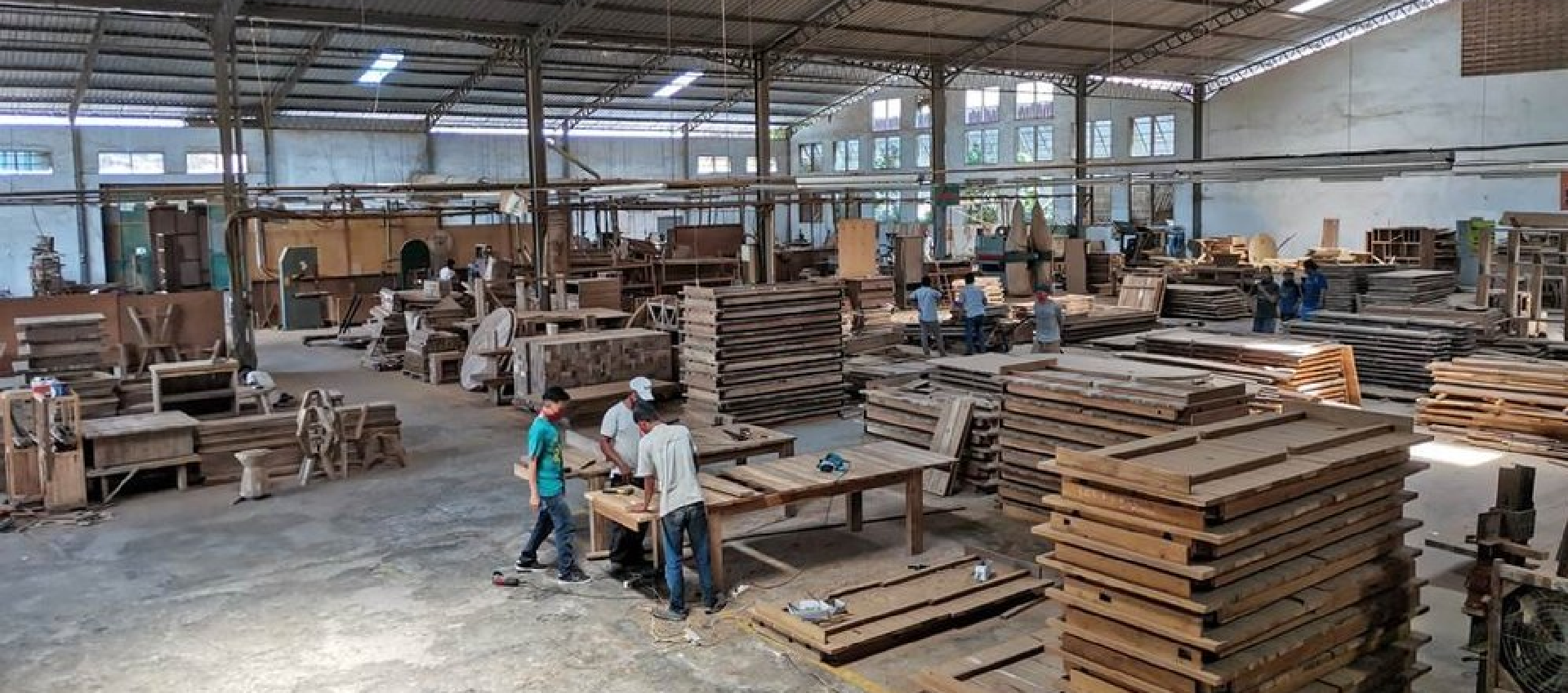
Manufacturers that use reclaimed wood or production offcuts to make durable products help reduce demand for fresh timber and prevent usable material from becoming waste. This is where companies like Jungle Bound, which work with reclaimed wood and bamboo products, fit into the circular economy category.
3. Sustainable Materials & Low-Impact Manufacturing
Why this field matters
Material choice alone can significantly reduce a product’s environmental footprint. Businesses that replace plastic, metal, or chemically intensive materials with renewable or biodegradable alternatives reduce emissions, pollution, and end-of-life waste.
Environmental benefits
Lower embodied carbon
Reduced plastic pollution
Safer end-of-life disposal (biodegradable or recyclable)
High-impact materials
Bamboo and fast-growing grasses
Agricultural waste composites
Recycled wood, paper, and metals
Natural fibers and bio-based materials
Example:
Bamboo-based consumer goods and wood-based alternatives to plastic—such as organizers, trays, or corporate gifting products—demonstrate how everyday items can be redesigned using renewable materials. Jungle Bound’s bamboo and wood product lines fall into this category.
4. Clean Energy & Energy Efficiency Businesses
Why this field matters
Energy production is the single largest source of global greenhouse gas emissions. Businesses that decarbonize energy systems deliver direct and measurable climate impact.
Environmental benefits
Significant CO₂ emission reductions
Improved air quality
Reduced reliance on fossil fuels
Business models
Solar, wind, and bioenergy companies
Energy storage and battery innovation
Energy-efficient appliances and building systems
Smart energy management platforms
This sector offers some of the highest impact per unit of scale, especially when solutions are affordable and accessible.
5. Water Conservation & Water-Positive Businesses
Why this field matters
Freshwater scarcity is becoming a critical global issue. Businesses that improve water efficiency or restore water systems protect ecosystems and human livelihoods.
Environmental benefits
Reduced groundwater depletion
Improved river and wetland health
Lower industrial water pollution
Business models
Water-efficient irrigation technologies
Wastewater treatment and reuse systems
Rainwater harvesting solutions
Industrial water auditing and optimization
6. Sustainable Supply Chains & Transparency Platforms
Why this field matters
A large portion of environmental impact occurs upstream, before products reach consumers. Businesses that bring transparency and accountability to supply chains enable large-scale change.
Environmental benefits
Reduces hidden deforestation and pollution
Encourages responsible sourcing
Helps brands measure and reduce emissions
Business models
Traceability and lifecycle assessment tools
Carbon accounting software
Ethical sourcing marketplaces
7. Design-Led Sustainability & Conscious Consumption Businesses
Why this field matters
Poor design leads to short product lifespans, over-consumption, and waste. Design-driven sustainability businesses focus on durability, repairability, and timeless utility.
Environmental benefits
Longer product life
Reduced replacement frequency
Lower material throughput over time
Example:
Well-designed wooden or bamboo products that replace disposable or plastic alternatives help reduce long-term waste. Jungle Bound’s emphasis on functional, long-lasting products aligns with this design-led sustainability approach.
What Truly Defines a High-Impact Sustainability Business?
Across all these fields, the most impactful businesses share common traits:
They solve a root environmental problem, not just a symptom
They scale through systems, not guilt-based consumer behavior
They measure impact alongside revenue
They make sustainable choices easier and more accessible
Final Thoughts for Aspiring Eco-Entrepreneurs
There is no single “best” sustainability business. The highest impact comes from choosing the right problem, the right leverage point, and a viable business model.
Whether you are working on:
regenerating land,
decarbonizing energy,
redesigning materials,
reducing waste,
or enabling others to act sustainably,
your impact will depend on depth, scale, and execution.
Businesses like Jungle Bound demonstrate how material choice, thoughtful design, and circular manufacturing can fit into this broader ecosystem of solutions—without being the solution themselves.
-
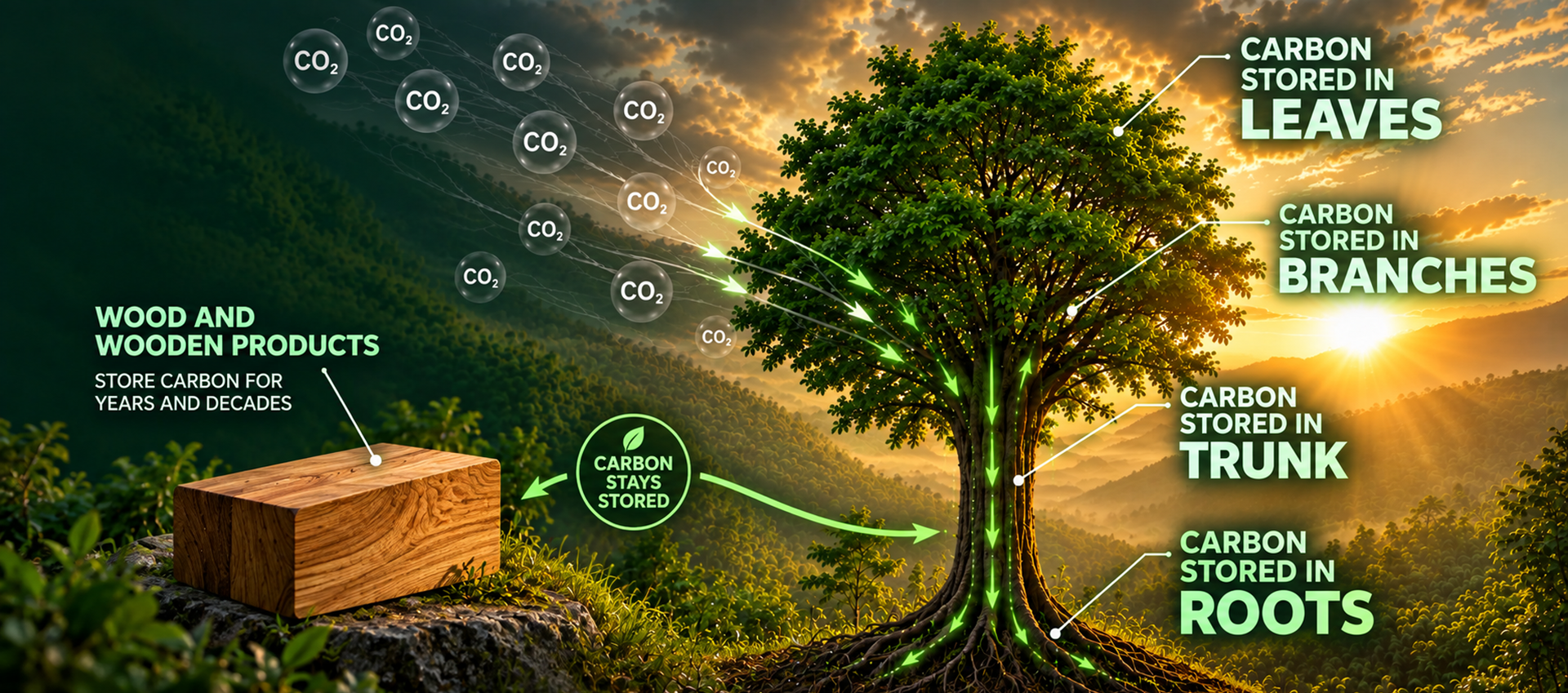
How Do Trees Store Carbon? The Connection Between Trees, Wood and Climate Change
September 13th, 2026 -
 August 9th, 2026
 -
 June 29th, 2026
 -
 May 4th, 2026