
Which Eco-Friendly Business Should I Start?
For many people today, the question isn’t whether to do something meaningful—it’s how.
You may be a student wondering what kind of future you want to build.
An entrepreneur questioning whether business can exist without harming the planet.
Or a professional feeling the quiet discomfort of knowing the current system isn’t sustainable.
Choosing an eco-friendly business is not just a career decision. It’s a choice about what kind of world you want to participate in creating.
This guide doesn’t promise an easy path. Instead, it explores different sustainability business options—honestly—by looking at:
Environmental impact
Market demand
Amount of hard work involved
Investment required
Because building something that matters should feel challenging—and worth it.
Sustainable Product Manufacturing: Replacing the Everyday with Something Better
Most environmental damage happens quietly—in everyday objects we don’t think twice about. Plastic organizers. Disposable décor. Cheap items designed to be replaced. Sustainable manufacturing businesses step into this space and ask a simple but powerful question:
What if everyday products were made to last, and made from materials that belonged to the earth, not landfills?
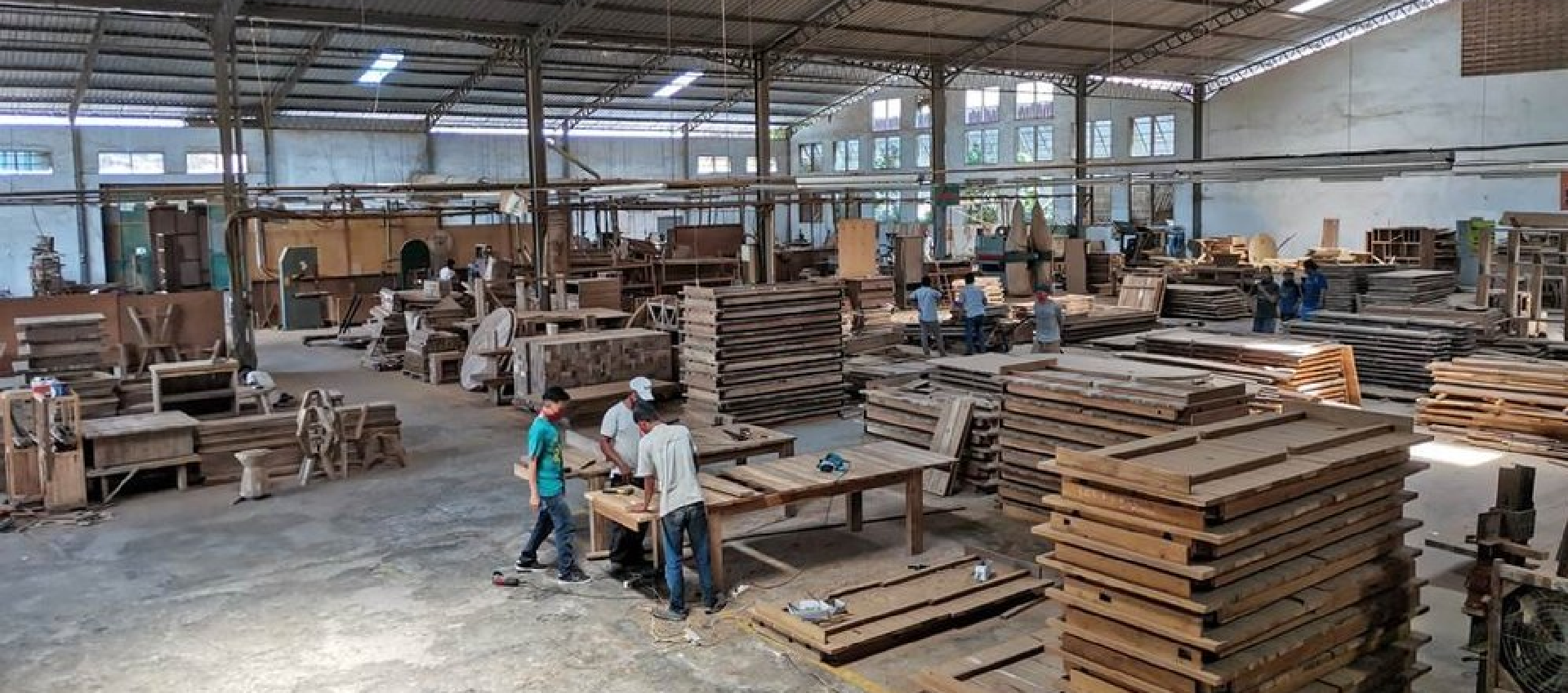
By working with materials like bamboo, reclaimed wood, or agricultural waste, these businesses reduce plastic dependency and extend the life of natural resources. The environmental impact may not feel dramatic at first—but it’s deeply cultural. It changes how people consume.
The market for eco-friendly products is growing steadily, driven by conscious consumers, corporate sustainability goals, and export demand. But this path requires commitment. Manufacturing is hard. It demands patience, attention to detail, and respect for craft.
Investment is moderate—machinery, space, materials, and skilled hands are needed. But the reward is tangible: you can point to something real and say, “This exists because we chose differently.”
This is the category where companies like Jungle Bound operate—proving that thoughtful design and natural materials can quietly replace unsustainable norms.
Companies like Beco (bamboo and paper alternatives), Jungle Bound (bamboo and reclaimed-wood products), and IKEA’s circular product lines show how everyday items can be redesigned using renewable materials.
Circular Economy & Waste-Based Businesses: Turning What We Throw Away into Value
Every city produces mountains of waste every single day. Circular economy businesses choose to look at this not as garbage—but as a design failure waiting to be corrected.
Whether it’s recycling, upcycling, repair services, or material recovery, these businesses deal with the mess we’ve learned to ignore. Their environmental impact is immediate and measurable: less waste in landfills, lower resource extraction, and reduced emissions.
This path is not glamorous. It involves logistics, coordination, physical work, and often thin margins. It can be emotionally exhausting—because you see the scale of the problem up close.
But it is also deeply meaningful. Few things compare to knowing that tonnes of waste didn’t end up in the ground because your business intervened.
Investment can be low to medium, depending on scale, but effort is high. This path is for builders who don’t shy away from complexity and believe that dignity can be restored even in discarded things.
Organisations such as Saahas Zero Waste, Goonj, and Terracycle demonstrate how waste collection, reuse, and recycling can become viable, high-impact businesses.
Clean Energy & Energy Efficiency: Changing the System Itself
If you want to work at the level of systems, clean energy is one of the most powerful places to be.
Energy touches everything—homes, industries, transport, food systems. Businesses that help transition energy away from fossil fuels create direct, long-term climate impact. Every solar installation, every efficiency upgrade quietly reduces emissions for decades.
The market here is large and expanding, supported by policy, economics, and necessity. But the learning curve is steep. Technical knowledge, regulatory understanding, and project execution matter deeply.
Investment is higher than many other eco-businesses—but so is the potential for scale.
This path suits people who want to work on infrastructure rather than products, who are comfortable with complexity, and who want their work to ripple far beyond individual consumers.
Businesses like SELCO India, Fourth Partner Energy, and Tesla Energy show how clean energy solutions can scale while reducing emissions.
Sustainable Agriculture & Food: Healing the Ground Beneath Our Feet
So much of our environmental crisis begins with how we grow food. Depleted soils, chemical runoff, water stress—these problems don’t show up in balance sheets, but they shape our future.
Sustainable agriculture businesses work with nature rather than against it. They rebuild soil health, protect biodiversity, and strengthen local food systems. The impact here is slow—but profound.
This is one of the hardest paths. Farming is physically demanding, climate-dependent, and emotionally unpredictable. Markets exist, but margins are thin unless combined with branding or value addition.
Investment may be low, but time and resilience are essential.
This path calls people who are patient, grounded, and deeply connected to land and community. It’s not about quick returns—it’s about stewardship.
Brands and collectives such as Organic India, regenerative farming networks in India, and Patagonia Provisions highlight how food systems can support both farmers and ecosystems.
Water Conservation & Resource Management: Protecting What We Cannot Replace
Water scarcity is no longer a future problem—it’s a present one. Businesses that focus on water efficiency, conservation, and treatment protect ecosystems and human life at the same time.
The environmental impact here is enormous. Reduced groundwater depletion, healthier rivers, and lower industrial pollution have cascading benefits across regions.
These businesses often operate in B2B or institutional spaces. They require technical understanding and trust-based sales—but they also create long-term value and resilience.
If you want to work quietly but critically—protecting a resource without which nothing survives—this is a powerful path.
Companies like Biome Environmental Solutions, Waterlife India, and Xylem focus on rainwater harvesting, water efficiency, and clean water access.
Education, Consulting & Digital Platforms: Multiplying Impact Through Others
Not everyone needs to build factories or install systems. Some of the most powerful sustainability businesses work through knowledge and influence.
Consulting, education, content, and digital tools enable other businesses and individuals to act responsibly. The impact is indirect—but scalable.
Investment is low, but credibility matters. This path requires continuous learning, integrity, and clarity of thought.
If your strength lies in communication, systems thinking, or teaching, this is how your work can ripple outward—far beyond what you could build alone.
Organisations such as Anthesis Group, Enviu, and Centre for Science and Environment (CSE) show how knowledge and guidance can enable large-scale sustainability action.
So, Which Eco-Friendly Business Should You Start?
There is no single right answer.
The most impactful sustainability businesses are built where:
Your skills meet a real environmental problem
Your effort matches the difficulty of the challenge
Your values align with the pace of impact
The planet doesn’t need perfect solutions.
It needs committed people choosing to build something better than what already exists.
If this generation chooses intention over convenience, systems over shortcuts, and impact over optics—business can become one of the most powerful tools for change we have.
And that choice starts with a single question:
What will you build?
-
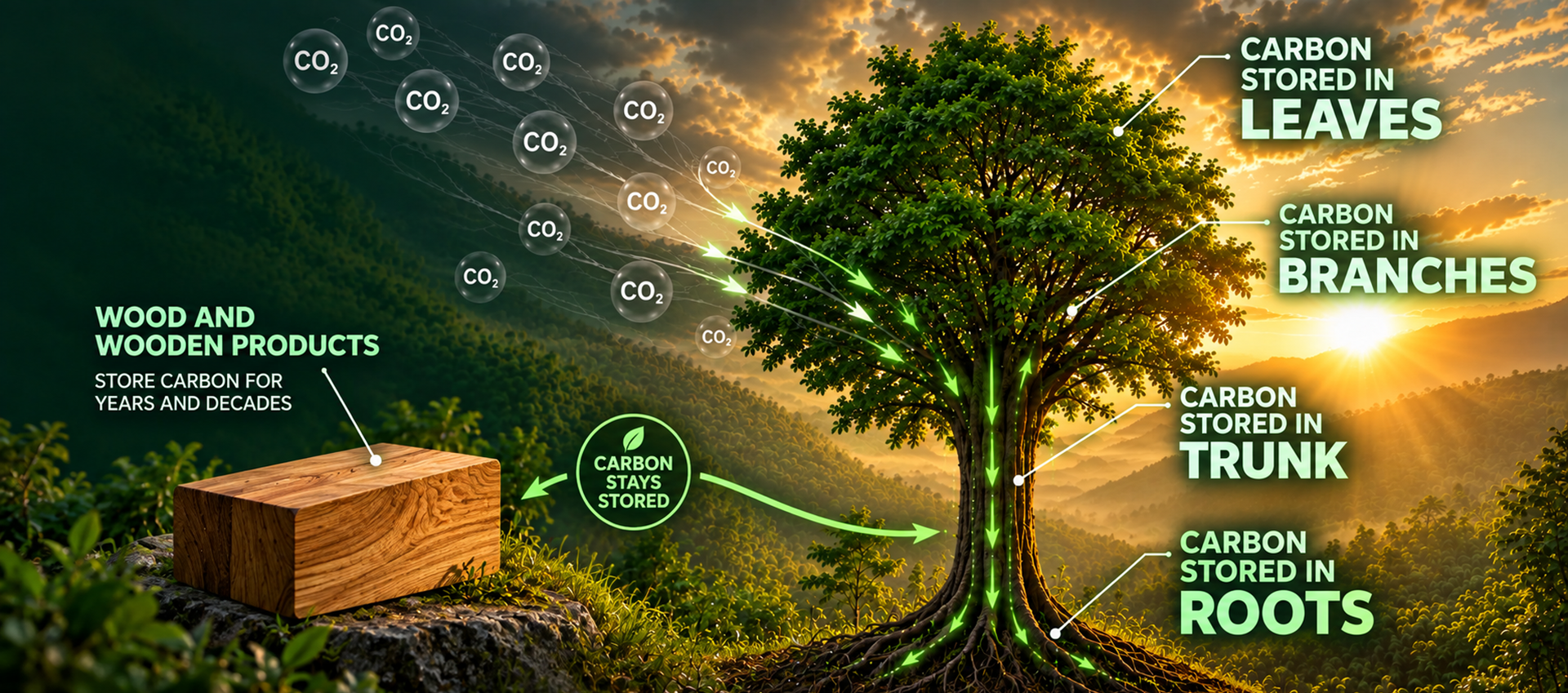
How Do Trees Store Carbon? The Connection Between Trees, Wood and Climate Change
September 13th, 2026 -
 August 9th, 2026
 -
 June 29th, 2026
 -
 May 4th, 2026